

African Pancake Tortoise
Price range: $790.00 through $1,600.00
African pancake tortoise — also known as the crevice tortoise, softshell tortoise and Tonier’s tortoise — has a thin, flat shell. It is native to East Africa and found in Kenya, Tanzania, and Zimbabwe.
Unlike most tortoises that have hard, domed shells, the African pancake tortoise has a thin, flat shell. As a result, the shell (or carapace) does not offer much protection from predators, so pancake tortoises use speed and flexibility to evade danger.
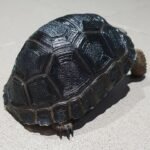
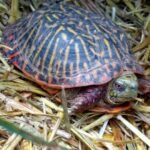
A pancake tortoise’s shell is generally different shades of brown with patterns that provide camouflage in their rocky habitat. Its plastron, or belly, is pale yellow, and its head, limbs and tail are generally yellow-brown.
Native Habitat
African pancake tortoises are native to East Africa and are found in Kenya, Tanzania, and Zimbabwe. They inhabit rocky outcrops, called kopjes, or rocky hills in arid thorn scrub and savannah regions. These habitats are generally 30 to 1,800 meters (100 to 6,000 feet) above sea level.
Pancake tortoises spend most of their time in crevices in the rocky hillsides. They are generally solitary, but crevices may be occupied by pairs or sometimes small groups.
Food/Eating Habits
Dry grasses and vegetation, including succulents, make up the bulk of a pancake tortoise’s diet in the wild. They may also eat seeds, nuts and sometimes insects. Pancake tortoises seem to get most of their water from the foods they eat, a survival trait in their natural environment.
At the Zoo, they eat a mixture of leafy greens and pellets.
Reproduction and Development
Mating occurs throughout the year, but the peak of mating season occurs in January and February. Males fight for the opportunity to mate with females. Therefore, larger males tend to have the most chances to breed.
Nesting tends to occur in late spring and early summer. Females dig nests in loose soil or lay their eggs in a crevice. They only lay one egg at a time, but may lay many throughout the nesting season. Their incubation period lasts four to six months.
Lifespan
They can live for more than 30 years.
We have some beautiful captive bred African Pancake tortoises for sale. Our African Pancake tortoises for sale are eating a variety of greens and are very active and healthy. They have extremely bright colors over a very solid black contrast and are sure to impress anyone looking for an exotic Pancake tortoise for sale.
African Pancake tortoises are the largest of the star tortoises but still only reach 12″, and therefore make great pets for those seeking an indoor or outdoor tortoise.
In captivity they enjoy an easy diet of spring mix, dandelion greens, grasses, clover, high calcium greens, as well as mazuri tortoise chow.
| Age | cb Hatchlings, cb Well started baby, cb yearling, cb Young Adult |
|---|


