
Northern Diamondback Terrapin
Price range: $270.00 through $490.00
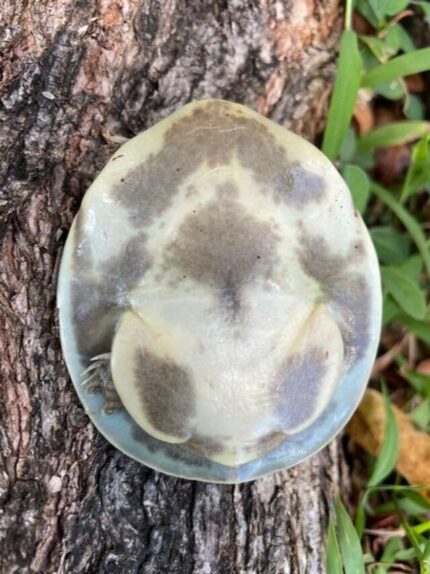
The Northern Diamondback Terrapin (Malaclemys terrapin terrapin) is a coastal turtle recognized for its diamond-patterned shell, pale skin, and dark speckles. Its unique appearance makes it a distinctive species among North American turtles.
This terrapin is native to the Atlantic coastal region of the United States. It inhabits brackish marshes, tidal creeks, and estuaries. Unlike many freshwater turtles, it is adapted to environments where fresh and salt water mix.
Northern Diamondback Terrapin Highlights
- Common Name: Northern Diamondback Terrapin
- Scientific Name: Malaclemys terrapin terrapin
- Type: Semi-aquatic coastal turtle
- Native Range: Atlantic coastal United States
- Appearance: Diamond-shaped shell markings and speckled skin
- Habitat Needs: Suitable aquatic housing, clean water, appropriate salinity management, and a secure basking area
Care and Habitat
Provide a spacious aquatic enclosure with carefully maintained water conditions. Terrapins need suitable salinity management, effective filtration, and a dry basking platform. Their water chemistry and temperature requirements differ from those of many freshwater turtles, so research the needs of this subspecies before setting up its habitat.
Offer a balanced diet formulated for terrapins, with appropriate animal-based foods as recommended for the species. Monitor water quality, feeding, activity, and shell condition regularly.
Enquire About the Northern Diamondback Terrapin
Northern Diamondback Terrapins require specialized care and may be subject to wildlife trade restrictions. Before purchasing, confirm the subspecies, legal origin, required documentation, and applicable ownership or import rules.
Contact Verdant Reptiles to request pricing and check current availability for this distinctive coastal turtle.
| Age/Size | cb Hatchlings, cb Well started baby, cb yearling |
|---|